
Growing Pansies in Northern Virginia
by Karen McCluskey, Fairfax Master Gardener
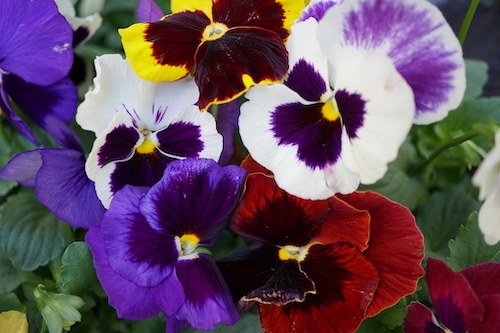
Pansy – Majestic Giant series
Pansies (Viola x wittrockiana) are a popular choice for Northern Virginia landscapes for good reason. They provide vibrant color during the cooler months when many other flowering annuals are no longer thriving. Whether planted in garden beds, borders, along walkways or in containers and window boxes, pansies may be an excellent addition to your home garden.
Pansies are cool-season flowering plants prized for their blooms during fall, winter and spring. Their cold hardiness allows them to add beautiful color during cooler months, just as warm season annuals are nearing the end of their lifespan. Established pansies can survive temperatures in the low single-digits under favorable conditions and may recover when warmer temperatures return. However, their cold tolerance depends on factors such as cultivar, plant establishment, soil conditions and exposure to wind. Pansies generally decline as spring temperatures rise. They cannot tolerate Northern Virginia’s prolonged summer heat.
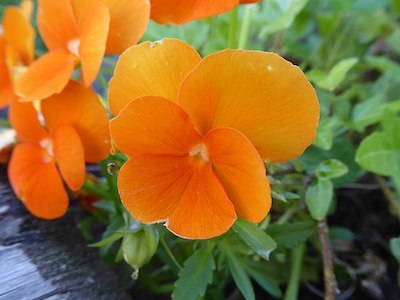
Solid clear face pansy
Hundreds of cultivated pansy varieties are available, derived from species native to Europe and western Asia. Pansies feature large, velvety, five-petaled flowers. The flower size varies by cultivar with some reaching up to 4 inches (10 cm) in diameter. Plants typically mature into mounds growing 6 to 12 inches (15 to 30 cm) tall and spreading roughly 6 to 10 inches (15 to 25 cm) wide. Pansies are available in a wide array of colors including purple, maroon, rose, gold, yellow, blue, orange and white. Some varieties feature solid-colored flowers, known as “clear-faced” pansies, while others have contrasting centers known as “blotch-faced” pansies.
Pansies are highly hybridized and commercially produced as large genetic families, so they are often characterized by group name based on flower size and growth habit. Large-Flowered Group produce extra-large blooms often 3 to 4 inches (7 to 10 cm) for a high visual impact in relation to color and pattern. Majestic Giants Group is an example. The Medium-Flowered Group, 2 to 3-inch (5 to 8 cm) blooms , are optimized for resilience. Prominent Medium-Flowered Group includes the Delta Series, the Imperial Series and the Crown Series. Smaller blooms, 1 to 2-inch (2 to 2 cm) size, are in the Multiflora Group. They are bred to produce a higher volume of smaller flowers. Examples include the Maxim Series, ‘Padparadja,’ and Nature Series. An additional group is called the Trailing/Spreading Group as they are specifically designed for hanging baskets and ground cover. A popular spreading series is called the Cool Wave Group. If you have a particular group preference, you may want to check with your local nursery for availability. Retail garden centers may have fewer inventory options than local nurseries.
Although growing pansies from seeds is certainly an option, starting indoors requires advance planning and attention to germination, light, temperature and moisture. The time required to produce transplant-ready seedlings varies with growing conditions and cultivar. Pansies grown from seed can take eight to twelve weeks to mature before they can be transplanted outdoors.
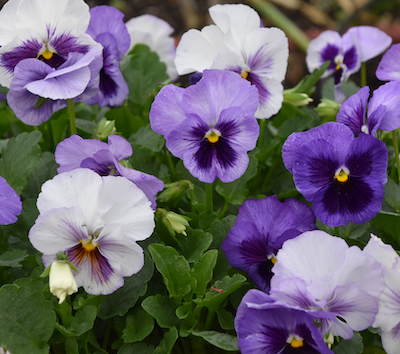
Matrix series pansies
Planting nursery-grown seedlings is a convenient way to quickly establish pansies in your garden. Pansy seedlings are widely available in local nurseries and retail garden centers. They are typically sold in cell packs with multiple individual plants. Seedlings provide an immediate splash of color after transplanting into your selected garden site.
Take care when selecting seedlings to ensure they are healthy. Check for insects and signs of disease. The plants should have deep green leaves and the crown should be compact. Avoid plants that appear stressed, root-bound in their containers, leggy or overgrown.
Early to mid-fall is generally a good time to plant pansies in Northern Virginia. Late September through October is a useful target, although planting may extend into November when weather and soils conditions permit.
Pansies establish most successfully when temperatures are cool enough to limit heat stress but the soil remains warm enough to support root growth. Ideally, the soil temperature should be between 45°F and 65°F (7 to 18° C). Planting too late, when the soil has become very cold, can slow root development and limit flowering.
Mild daytime temperatures and cool nights encourage pansies to establish robust root systems before the ground freezes. Well-established roots help them thrive and withstand weather conditions throughout their fall, winter and spring lifespan.
Pansies generally grow best in full sun to partial shade. Full sun is generally defined as at least six hours of direct sunlight per day. In Northern Virginia, a location, whether in a garden bed or container, receiving morning sun followed by some afternoon shade, is beneficial. South-facing locations may be ideal, although pansies can also thrive in other sunny locations.
Fertile, well-drained soil is important for healthy pansy growth. They can develop crown rot or root rot with prolonged exposure to soggy or waterlogged conditions. If your planting site has heavy clay soil or poor drainage, consider addressing underlying soil conditions before planting.
Try incorporating compost into the top 3 or 4 inches (7 to 10 cm) of your soil to improve drainage. If drainage remains poor, a raised bed may be a better solution. Good soil conditions will promote healthy plants and encourage blooms.
When planting pansies in garden beds, space individual plants 6 to 10 inches (15 to 25 cm) apart, adjusting the distance according to cultivar size and the desired appearance. Proper spacing promotes good air circulation, reducing the risk of fungal problems, such as powdery mildew during damp or humid weather.
In containers and window boxes, pansies can be planted approximately 4 inches (10 cm) apart for a fuller appearance. Avoid overcrowding, as it can restrict airflow and increase the risk of plant health problems. Choose a well-draining potting medium and containers with adequate drainage holes.
A generous watering is needed after planting to help settle the soil around the roots. Continue watering as needed to maintain moderately-moist soil without keeping it saturated. Water requirements depend on rainfall amounts, soil type, temperature and sunlight. Containers generally dry out faster than garden beds, so check them regularly. Water the base of each plant rather than over the foliage to help prevent fungal diseases. Morning watering is preferable to late-evening watering.
Pansies benefit from appropriate soil fertility. Fertilizer requirements for pansies differ from those of summer annuals. Rather than applying fertilizer automatically, consider a soil test to determine whether additional nutrients are needed and how much to apply. Always consult product labels and follow application instructions. A light layer of mulch can help retain moisture and suppress weeds that may compete with pansy plants. Avoid mulch near the plants’ stems.
Under typical Northern Virginia growing conditions, pansies can continue blooming throughout the cooler months. When flowers begin to wilt or become faded and curled, it is time to deadhead the plants. Avoid simply removing the dead petals and leaving an empty stem. Instead, remove the flower and stalk. Cut or pinch off the entire flower stalk at the point it attaches to the main base of the plant. Deadheading pansies once or twice a week will encourage continued flowering and help maintain an attractive display.
As seasonal annuals, pansies will begin to struggle as temperatures become warm in mid- to late spring. When this happens, it is time to remove the plants, including their roots, from your garden. If the plants show signs of disease or fungal problems, dispose of them in the trash. If the plant material is healthy, you can compost them or place them in yard waste bag for collection.
With appropriate site selection, well-drained soil, and routine care, pansies can provide months of color in Northern Virginia landscape gardens. After the season ends, you can start planning your pansy garden for the next growing season. Happy Gardening!
- References
- Viola x wittrockiana, North Carolina Extension Gardener Plant Toolkit
- Annual Flowers: Culture and Maintenance, Virginia Cooperative Extension, 426-200, (SPES-802P)
- Know What You Grow! Pansy, University of California Agriculture and Natural Resources, Master Gardener Program
- Caring for Pansies in the Landscape, North Carolina Cooperative Extension, Richmond County Center